
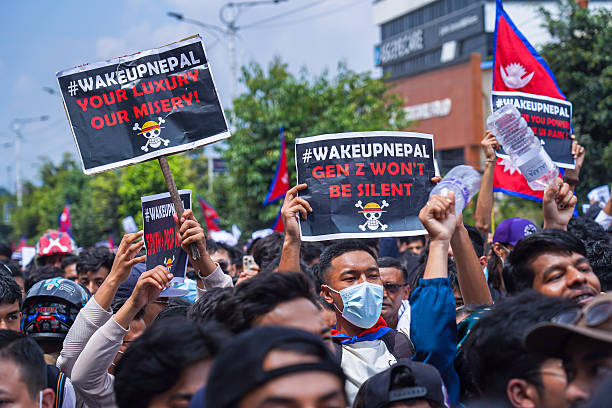
Examine how political protest movements (especially those driven by younger generations) are affecting tourism — economically, socially, and reputationally. Use recent events as case studies (Nepal’s Gen Z protests, protest movements in Europe/Mexico, etc.). Explore how tourism stakeholders can respond, recover, and build resilience.
What kinds of protests are we seeing lately (anti-corruption, anti-elitism, overtourism, gentrification)
Why they matter to tourism (safety perceptions, infrastructure damage, cancellations, economic ripple effects)
Case Studies
Nepal & the Gen Z protests: scope of damage (hotels vandalised, bookings cancelled), timing (peak season), losses in rupees, and how many jobs were impacted.
Southern Europe (Spain, Portugal, Italy): protests against overtourism, local quality of life, housing prices, and environmental strain.
Mexico City protests over gentrification and mass tourism, short-term rentals, and displacement.
*Impacts on the Tourism Industry
Economic losses: direct damages (hotels, infrastructure), lost bookings/tourist arrivals, loss of foreign exchange. (E.g. Nepal’s ~30 % drop in arrivals compared to the same period last year)
Jobs & livelihoods: number of people employed in tourism/hospitality, how many become unemployed or underemployed due to closures/vandalism.
Disruption of services & infrastructure: damage to hotels, closure of trekking routes, airports, and effects on transportation/logistics.
Reputational & confidence loss: tourists cancelling, travel advisories, media coverage impacting perceptions.
*Challenges for Recovery
Timing (when protests happen relative to peak tourist seasons)
Infrastructure repair & investment costs
Political stability & trust: tourists need assurance of safety
Insurance, financing, compensation for losses
Responses & Strategies
What governments & tourism boards can do: damage assessment, compensation, security measures, communications campaigns to reassure tourists. What local businesses can do: diversify markets, maintain continuity plans, and build resilience into their operations
How sustainable and community-centred tourism practices can help mitigate risks (e.g., avoiding overdependence on mass tourism, supporting local stakeholders)
*Lessons Learned & Policy Implications
The importance of balancing social grievances and stability with tourism development
The value of inclusive development to avoid tensions (inequality, corruption, displacement)
*Conclusion
Reflection: protests are often symptoms of deeper social issues; tourism doesn’t exist in a vacuum
Hope & resilience: how recovery is possible with good governance, transparency, and community engagement
Call to action: for government, business, travellers — what each can do to support sustainable, resilient tourism.
Your thoughts will be highly appreciated.